






Table of Contents
The Conversation Nobody Is Having
When a couple struggles to conceive, the focus almost always falls on the woman. She gets tested. She changes her diet. She sees the specialist. She carries the emotional weight of a journey that is rarely shared equally.
But here is what most people do not know: approximately half of all fertility challenges involve the male partner. And most men never find out until a specialist tells them, because nobody tested them, nobody talked to them about it, and they had no reason to think the answer might lie with them.
Male fertility is one of the most underdiagnosed and under addressed areas of men's health. And the cells responsible for it are far more vulnerable than most men realize.
Why Sperm Health Is More Fragile Than You Think
Sperm cells are among the most sensitive cells in the human body. They are constantly being produced, which means they are constantly exposed to the same environmental stressors, dietary deficiencies, and internal inflammation that affect every other cell. The consequences, however, show up in ways men rarely think to check.
According to the Tikhomirov and Kovalevskaya clinical study, lower sperm count, reduced sperm viability, and poor motility are directly related to challenges with conception, embryo development, and pregnancy outcomes. The causes are wide-ranging, from physiological and genetic factors to emotional stress, nutritional deficiencies, and oxidative damage at the cellular level.
The problem is that most of this is invisible. A man can work out regularly, eat reasonably well, and feel perfectly healthy, while his cells are quietly under stress in ways that only a spermogram would reveal.
What Is Quietly Affecting Male Fertility

Most men are not aware of the specific factors that compromise sperm health over time. Here is what the research tells us about the key drivers of male fertility challenges.
Oxidative Stress and Cellular Damage
Oxidative stress occurs when the body's natural antioxidant defenses are overwhelmed by free radicals, unstable molecules that damage cells faster than the body can repair them. Sperm cells are particularly vulnerable to this kind of damage because they have limited antioxidant capacity of their own.
When oxidative stress is high, sperm DNA integrity is compromised, motility declines, and the likelihood of successful fertilization decreases. This is one of the primary reasons that men who appear otherwise healthy can still have significantly impaired fertility. Here is how oxidative stress affects male fertility:
Damage to sperm DNA, reducing the viability of sperm for fertilization
Impaired sperm motility, limiting the sperm's ability to reach and fertilize an egg
Reduced sperm count, as cellular damage accelerates the breakdown of developing sperm cells
Nutritional Deficiencies and Sperm Quality
Nutritional deficiencies are one of the most common and correctable contributors to poor sperm health. According to the Tikhomirov and Kovalevskaya study, deficiencies in key nutrients including omega-3 fatty acids, amino acids, and Vitamin K2 are common in both young and older male populations and directly impact the quality and function of sperm cells.
Sperm production is an energy-intensive process that depends on a consistent supply of specific building blocks. When those building blocks are missing, sperm quality suffers in ways that are measurable but often go undetected. Here is how nutritional deficiencies affect male fertility:
Insufficient omega-3 fatty acids, which are critical for sperm membrane integrity and motility
Low amino acid availability, limiting the body's ability to produce and repair sperm cells
Deficiency in Vitamin K2, which supports vascular health and the cellular environment sperm depend on
Inflammation and Hormonal Disruption
Chronic inflammation is a silent driver of male fertility challenges. When the body is in a persistent state of low-grade inflammation, it affects hormone regulation, reduces testosterone production, and creates an internal environment that is hostile to healthy sperm development.
Factors like stress, poor diet, lack of sleep, and environmental exposures all contribute to chronic inflammation, and most men experiencing these factors have no idea they are affecting their fertility. Here is how inflammation disrupts male fertility:
Disrupted hormone regulation, reducing testosterone and other reproductive hormones
Impaired sperm production in an inflamed testicular environment
Reduced sperm viability, as inflammatory compounds damage developing sperm cells
What the Research Shows
Most conversations about male fertility stop at the problem. This one goes further, because there is now clinical evidence that meaningful improvement is possible, even for men who have already tried everything else.
A placebo-controlled clinical study conducted by Tikhomirov and Kovalevskaya examined 40 men who had already exhausted all standard fertility treatments short of surgery. These were not men at the beginning of their journey. They had been through the full standard-of-care protocol and seen no results.
For 90 days, one group of 20 men took LAMININE and OMEGA⁺⁺⁺ daily. The other group of 20 took a placebo. The results were significant:
85% of men in the supplement group showed measurable improvements in sperm quality, sperm viability, and sperm motility
20% of their partners became pregnant during or after the 90-day period
The placebo group showed zero pregnancies and no measurable improvement in spermogram results

Both supplements were well tolerated with no reported side effects or contraindications throughout the study period. The researchers concluded that the combination of LAMININE and OMEGA⁺⁺⁺ positively influenced a variety of conditions affecting male fertility, and that further research is warranted given the strength of these initial findings.
Why LAMININE and OMEGA⁺⁺⁺ Work Together

The results of the study make biological sense when you understand what each supplement brings to the equation.
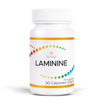
LAMININE works at the cellular foundation. Its Egg Bioactive Growth Factors, including FGF-2, PDGF, and TGFB-1, support stem cell rejuvenation and lay the foundation for whole-body cellular regeneration. Marine Protein and Plant-Based Phyto Protein deliver a complete amino acid profile that fuels cellular repair and supports the structural integrity of developing cells, including sperm cells that depend on this foundation to develop properly.*
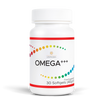
OMEGA⁺⁺⁺ addresses the nutritional environment that sperm health depends on. Its sustainably sourced Omega-3 fatty acids support sperm membrane integrity and motility. Vitamin K2 from Natto supports vascular health and the cellular environment in which sperm develop. CoQ10 Extended Release provides mitochondrial energy support, reducing the oxidative stress that damages sperm cells. Egg Bioactive Growth Factors further stimulate stem cells and enhance the effectiveness of the formula as a whole.*
Together, these two supplements address male fertility from multiple angles simultaneously, reducing oxidative damage, replenishing critical nutritional deficiencies, supporting cellular regeneration, and creating the internal environment that healthy sperm production requires.
It Is More Than Just Fertility
The same inflammation and oxidative stress that drives poor sperm health does not stay contained to one part of the body. It is the same process affecting heart health, hormone levels, energy, and brain function in men every single day.
The fertility data from this study happens to be one of the most measurable ways to demonstrate that LAMININE and OMEGA⁺⁺⁺ are working at the cellular level. But the benefits extend far beyond fertility to every system in the body that depends on reduced inflammation and proper cellular nutrition to function at its best.
Ninety days. That is how long it took to see real, measurable changes in men who had already run out of options. If you have been putting your health on the back burner, or if you and your partner have been on this journey and have not looked at this yet, it may be worth considering.
Summary of the Main Points
Approximately half of all fertility challenges involve the male partner, yet most men are never tested or informed until a specialist tells them.
Sperm cells are highly vulnerable to oxidative stress, nutritional deficiencies, and chronic inflammation, all of which impair sperm quality, viability, and motility.
A placebo-controlled clinical study found that 85% of men who took LAMININE and OMEGA⁺⁺⁺ for 90 days showed measurable improvements in spermogram results.
20% of partners of men in the supplement group became pregnant, compared to zero in the placebo group.
LAMININE supports cellular regeneration and amino acid availability, while OMEGA⁺⁺⁺ addresses omega-3 deficiency, oxidative stress, and vascular health, together creating the conditions for improved male fertility.*
FAQs
Is male fertility really as common a factor as female fertility?
According to the Tikhomirov and Kovalevskaya research, approximately half of all cases where couples cannot conceive involve health or wellness issues with the male partner. Despite this, male fertility is significantly undertested and underaddressed in most fertility conversations.
What did the clinical study find?
A placebo-controlled study of 40 men who had exhausted standard fertility treatments found that 85% of men who took LAMININE and OMEGA⁺⁺⁺ daily for 90 days showed measurable improvements in sperm quality, viability, and motility. Twenty percent of their partners became pregnant, compared to zero in the placebo group.*
Why are LAMININE and OMEGA⁺⁺⁺ taken together?
The study used both supplements in combination because they address male fertility from complementary angles. LAMININE supports cellular regeneration and amino acid availability, while OMEGA⁺⁺⁺ addresses omega-3 deficiency, CoQ10 levels, and oxidative stress. Together they create a more complete nutritional environment for sperm health than either supplement alone.*
Are there any side effects?
According to the Tikhomirov and Kovalevskaya study, both LAMININE and OMEGA⁺⁺⁺ were well tolerated by all participants with no reported side effects or contraindications throughout the 90-day study period.*


LifePharm, Inc.
Our purpose is to offer healthy living and sustainable income for everyone.







Leave a comment
This site is protected by hCaptcha and the hCaptcha Privacy Policy and Terms of Service apply.