





Protein: Quality or Quantity?

Protein is often discussed in terms of grams. How many grams per day? How many grams per serving? How many grams after a workout? While quantity certainly matters, focusing solely on the number of grams can overlook a more important factor: protein quality. Not all protein sources function the same way in the body. The structure, amino acid profile, digestibility, and bioactive compounds within a protein source can influence how effectively it supports muscle maintenance, tissue repair, metabolic health, and overall wellness. Understanding the difference between protein quantity and protein quality helps bring clarity to what the body needs.
The Difference Between Quantity and Quality
Protein quantity refers to how much protein is consumed, usually measured in grams. Protein quality refers to:
The digestibility and absorption rate
The presence of bioactive components
The ability to support cellular repair and regeneration
A protein source can contain a high number of grams yet offer limited biological value. Conversely, a smaller amount of highly bioavailable, complete protein may deliver more meaningful support.
Why Amino Acid Balance Matters
According to MedlinePlus, “Proteins are made up of hundreds or thousands of smaller units called amino acids, which are attached to one another in long chains. There are 20 different types of amino acids that can be combined to make a protein.” Cleveland Clinic states that “Nine of these amino acids are called essential amino acids. Essential amino acids must be consumed through the food you eat. Essential amino acids can be found in a variety of foods, including beef, eggs and dairy.” Additionally, they share what these essential amino acids are and all of them are the following below:
Tryptophan
Threonine
Histidine
Leucine
Isoleucine
Lysine
Phenylalanine
Valine
Methionine
Healthline states that our bodies cannot make essential amino acids. So, what happens if one amino acid is missing? According to News-Medical, if even one amino acid is missing, what will happen is our bodies’ internal chemistry will change dramatically, our metabolism will slow, protein synthesis will falter, and the brain will drive a specific appetite for foods that are rich in protein. This highlights the significance and necessity of these amino acids. It is highly recommended to speak to a medical professional if you are concerned about getting enough protein.
Beyond Amino Acids: The Role of Bioactive Components
Protein quality is not only about amino acids. Some protein sources contain additional bioactive compounds that support cellular communication, tissue regeneration, and overall vitality. According to the National Cancer Institute, bioactive compounds are “A type of chemical found in small amounts in plants and certain foods (such as fruits, vegetables, nuts, oils, and whole grains). Bioactive compounds have actions in the body that may promote good health. They are being studied in the prevention of cancer, heart disease, and other diseases. Examples of bioactive compounds include lycopene, resveratrol, lignan, tannins, and indoles.”
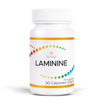
LifePharm's fertilized avian egg extract is particularly unique. It is rich in fibroblast growth factor-2 (FGF-2), a signaling protein that may activate cellular communication, stem cell activity, and tissue remodeling. And the fertilized avian egg extract is the core ingredient of LAMININE. What does LAMININE do? LAMININE nourishes the body at the cellular level with a full spectrum amino acid profile derived from marine cartilage and plant-based proteins. It helps balance stress hormones, improves sleep quality, and supports both physical and emotional resilience—laying the foundation for regeneration from within.
Why “More” Isn’t Always Better
It is common to equate higher protein intake with better results. However, excessive intake of lower-quality protein may not provide the same benefit as moderate intake of highly bioavailable, complete protein.
The body requires:
The right amino acids
In usable forms
In appropriate balance
Protein is not simply about hitting a number on a nutrition label. It is about supporting the body at the cellular level.
Shifting the conversation from quantity to quality allows for a more refined understanding of nutrition. Instead of asking “How many grams?”, it may be more helpful to ask:
Is this protein complete?
Is it bioavailable?
Does it offer functional benefits beyond amino acids?
When protein sources contain both structural building blocks and biologically active components, they can play a broader role in overall wellness.
Conclusion: Choosing High-Quality Protein

Protein intake will likely continue to be measured in grams, and quantity will always have a place in nutritional discussions. However, numbers alone do not tell the full story. The amino acid profile, digestibility, and the presence of bioactive compounds can influence how effectively protein supports muscle maintenance, tissue repair, metabolic balance, and overall wellness.
Quality and quantity are not opposing concepts—they work together. But when quality is prioritized, each gram carries greater value. And with LifePharm’s LAMININE containing the unique fertilized avian egg extract, rich in fibroblast growth factor-2 (FGF-2), your quality protein journey will be further enhanced with this ally at your side.
Summary of the Main Points
While protein quantity certainly matters, focusing solely on the number of grams can overlook protein quality, which is a more important factor.
MedlinePlus states the following: “Proteins are made up of hundreds or thousands of smaller units called amino acids, which are attached to one another in long chains. There are 20 different types of amino acids that can be combined to make a protein.”
There are protein sources that contains additional bioactive compounds that support cellular communication, tissue regeneration, and overall vitality.
LAMININE's fertilized avian egg extract is rich in fibroblast growth factor-2 (FGF-2), a signaling protein that may activate cellular communication, stem cell activity, and tissue remodeling.
FAQs
What makes LAMININE different from other growth factor supplements?
LifePharm uses a proprietary low heat and hygienic drying technique with no chemicals, in order to preserve active factors and their functions. It is not known nor have other companies tested their fertilized avian egg extract for active FGF2 and other factors that we have listed, which are important for cellular health and regeneration.
What is the suggested recommend use?
The suggested use is 1-4 capsules of LAMININE daily with food and/or water. If it is your first time taking LAMININE, we recommend 2 capsules twice a day for a month for best results. After the first month is over, you can reduce your daily supplementation to 1-4 capsules daily, depending on how you feel.


LifePharm, Inc.
Our purpose is to offer healthy living and sustainable income for everyone.







Leave a comment
This site is protected by hCaptcha and the hCaptcha Privacy Policy and Terms of Service apply.